
Locations contradict one another
We inventory business names, addresses, hours, phone numbers and destination links, then identify which source should govern each field.

LOCAL SEO IN THE UNITED STATES
Local SEO and listing management for US restaurants, stores and service businesses. Align business profiles, location pages and updates across your locations.
Every action addresses a real business need.
THE STARTING POINT
A customer who finds the wrong opening hours may never become a customer. Local SEO starts with the everyday information behind discovery: which location is open, what it offers and how to reach it. We coordinate business profiles and location pages so a growing US business can maintain those details without relying on scattered messages.
Explore the general serviceMARKET CONTEXT
A restaurant group expanding from South Florida to another state needs more than a duplicated profile. Menus, ordering destinations, hours, local photography and operating responsibilities may differ. We establish what belongs to the brand and what must be maintained by each location.
Google describes relevance, distance and prominence as the main local-ranking factors. Complete, accurate business information supports discovery, but a provider cannot control a searcher’s distance or purchase an organic map position. Our work focuses on information quality, useful location content and sustainable management.
Sources reviewed: October 24, 2026. Google: local ranking and business information
WHERE WE CAN HELP
We inventory business names, addresses, hours, phone numbers and destination links, then identify which source should govern each field.
We organize an opening checklist with owners and verification steps so missing access or incorrect links are found earlier.
We separate available profile and website actions by location. A high-performing store should not conceal an incomplete or outdated profile elsewhere.
OUR PROCESS
Record the actual locations, existing profiles, ownership roles and website destinations. Flag eligibility or access issues for review before editing.
Prioritize inconsistencies and add the location details customers need to decide. Coordinate changes with the people responsible for daily operations.
Document routines for special hours, moves, openings and closures. Check that changes have appeared and review signals within the platform’s reporting limits.
DELIVERABLES AND MEASUREMENT
We track information completeness, unresolved issues and available profile actions such as website clicks or calls. When possible, those signals are reviewed with location-page activity and operational data. Profile metrics are not a substitute for verified bookings, orders or revenue.
Discuss your situationILLUSTRATIVE SCENARIO, NOT A PROMISED RESULT
Before an opening, we would verify the address, customer-facing hours, ordering link, phone, categories and ownership of the business profile. The website location page would explain what that specific restaurant offers instead of sending every visitor to a general homepage.
After launch, we would check that approved changes are visible and review available actions by location. A rise in direction requests is an indicator to examine, not a count of completed visits. This is an operational example, not a claim about a particular opening.
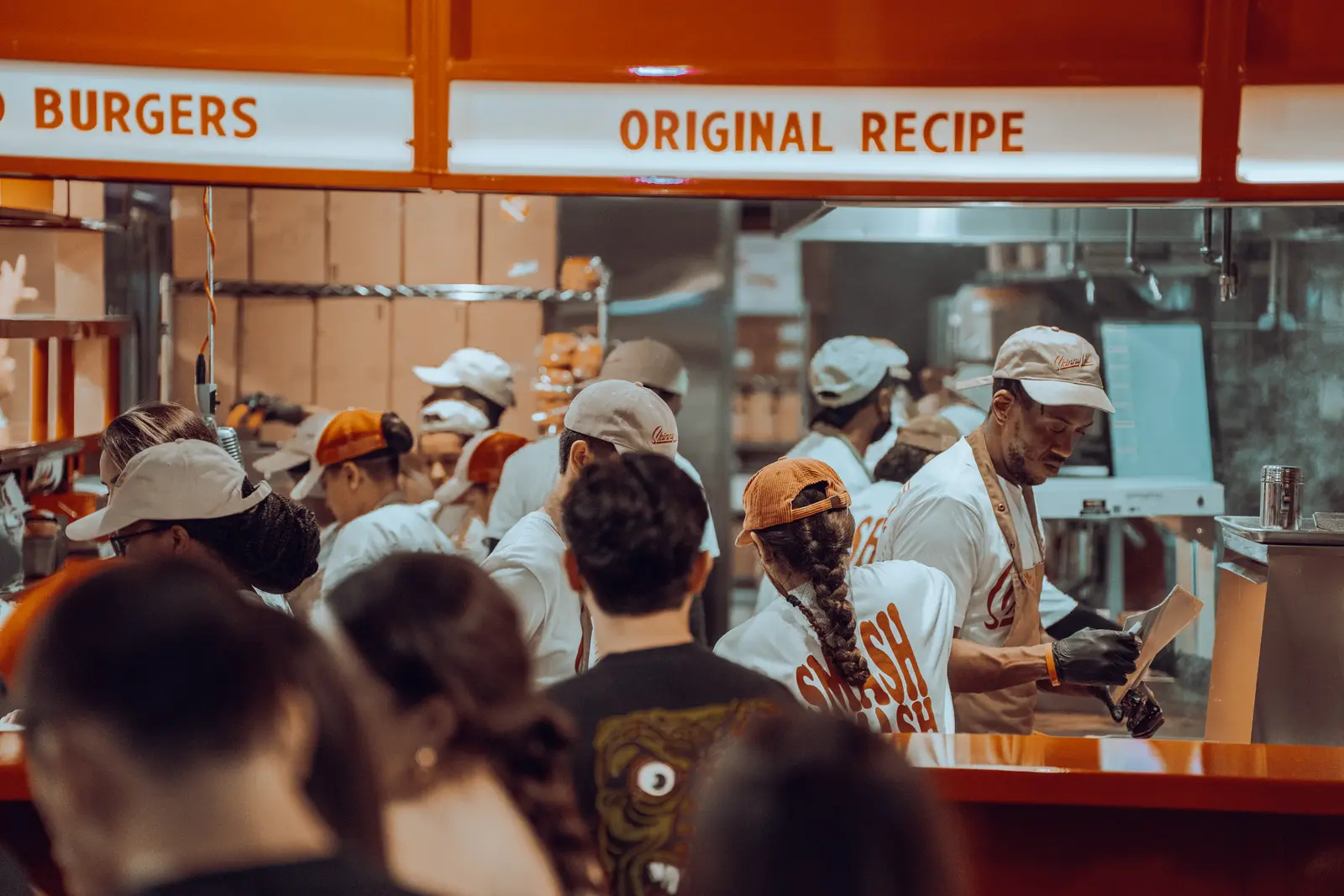 SKINNY LOUIE / UNITED STATES
DOCUMENTED EXPERIENCE
Our work with Skinny Louie includes listing management and SEO during its US expansion. The published case documents organic search performance; it is not a claim that profile edits alone produced every visit or sale.
Read the case and methodologyFROM CONTENT TO ACTION
LET’S DISCUSS YOUR PROJECT
We review your inquiry, carry out a free audit and share the findings. We then arrange a meeting with a tailored proposal and follow up.
marketing@patagonia-tech-solutions.comYes. We define a shared information standard while retaining the differences in services, hours and customer journeys that matter for each location.
We do not create fictitious offices. We review the business model and platform eligibility before recommending a profile or location page.
No. Local results depend on multiple factors and the searcher’s context. We focus on accurate information, useful pages and measurable work within our control.
We review the available facts and platform guidance before recommending next steps. We cannot guarantee reinstatement or replace the business’s responsibility to provide accurate evidence.
No. We can help build a neutral request and response process for genuine customer feedback, without buying reviews or offering rewards for favorable ratings.
Share the location list, website, known profile links and the problems your team is seeing. Do not send passwords; we agree on appropriate access roles separately.